


The relationship between perfume and our body is fascinatingly complex and highly individual. If you've ever noticed that the same scent smells completely different on various people, then you've already experienced the magical connection between perfume and body. This unique chemistry determines whether a fragrance becomes your personal signature or disappears after a few hours. In this comprehensive guide, you'll learn everything important about the interaction of fragrances with your skin, proper application, and why clean beauty alternatives will be more important than ever in 2026.
How perfume and body interact
Individual body chemistry is the key to your perfect scent. Each person has a unique skin pH, a specific skin temperature, and different natural body oils. These factors significantly influence how fragrances develop.
The science behind fragrance perception
When you apply perfume, a fascinating chemical process begins. The interaction between perfume and body chemistry is as individual as your fingerprint. Your skin acts not only as a carrier but also as an active partner in the fragrance composition.
Factors influencing fragrance development:
- Skin type: Dry skin causes fragrances to evaporate more quickly, while oily skin retains them longer.
- Body temperature: Warmer body areas intensify the scent.
- pH value: Acidic or alkaline skin changes the fragrance notes.
- Diet: What you eat influences your body odor and thus the scent.
- Hormones: Hormonal fluctuations change skin chemistry.
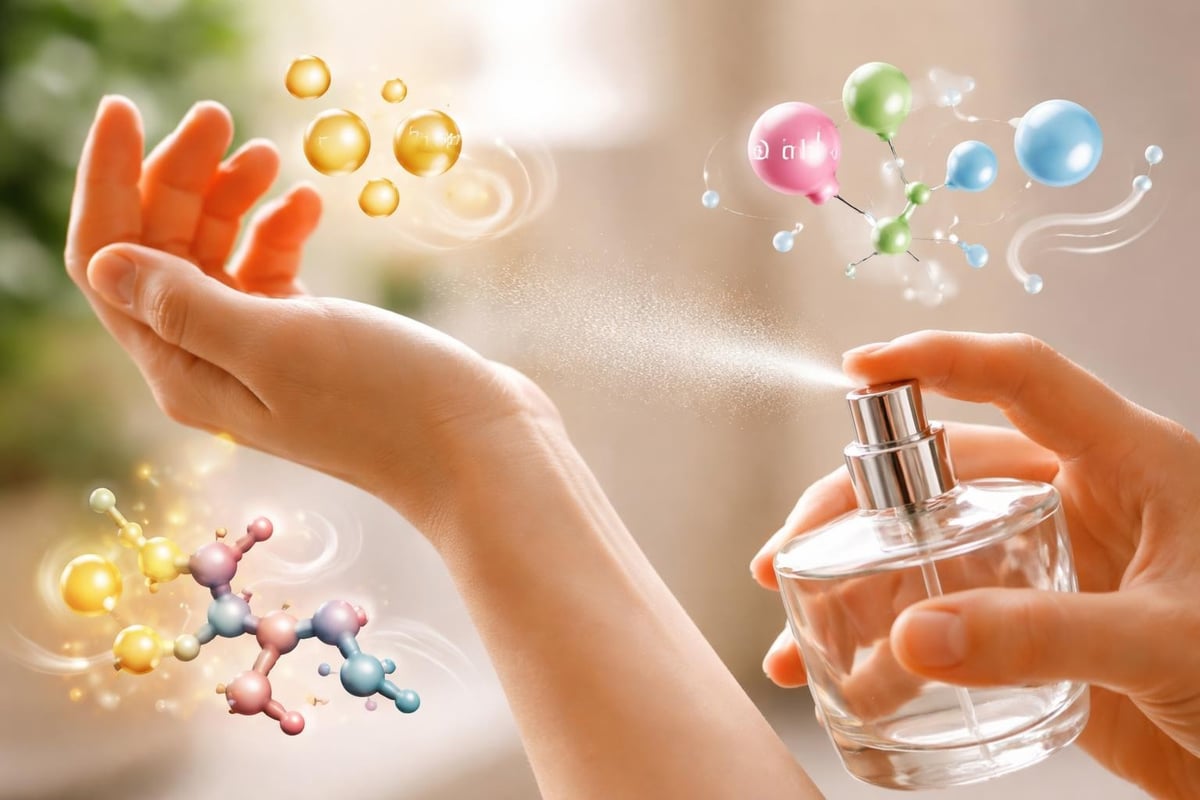
Why does the same perfume smell different on everyone?
The answer lies in your body's complex biochemistry. Your natural pheromones, your skin's moisture content, and even your medication intake play a role. At SOBER BERLIN, we understand this complexity and develop our unisex perfumes to harmonize with various skin types.
The right application: Where and how to best combine perfume and body
The art of applying perfume is often underestimated. It's not just about where you spray, but also when and how much.
The best body areas for long-lasting scents
Experts recommend applying perfume to body areas with high blood circulation. These so-called pulse points warm the fragrance and allow it to develop optimally.
| Body Area | Longevity | Intensity | Special Feature |
|---|---|---|---|
| Wrists | 4-6 hours | Medium | Classic, but often washed |
| Neck/Nape | 6-8 hours | High | Ideal warmth and air circulation |
| Behind the ears | 6-8 hours | Medium-High | Discreet and long-lasting |
| Elbow creases | 5-7 hours | Medium | Less known, very effective |
| Back of knees | 4-6 hours | Low-Medium | For subtle scent ascent |
Pro tips for maximum longevity:
- Apply perfume to damp skin (immediately after showering)
- Moisturize your skin beforehand – moisture binds fragrances
- Do not spray directly on clothes – it can leave stains
- Avoid rubbing wrists together
- Layer different fragrance products from the same line
How much is too much?
Less is more – this rule particularly applies to perfume and body. Two to three sprays are sufficient. Your nose quickly adapts to your own scent, which can tempt you to reapply. But other people will still notice your scent clearly, even if you no longer smell it yourself.
Clean Beauty and perfume & body: Why ingredients matter
In 2026, awareness of healthy ingredients in the beauty industry is at an all-time high. More and more people are questioning what they put on their skin – and rightly so.
Problematic ingredients in conventional perfumes
The history of perfume is centuries old, but modern synthetic fragrances raise new questions. Critical voices warn of potential health effects of perfumes on the body.
Questionable ingredients you should avoid:
- Phthalates: Plasticizers with hormone-like effects
- Synthetic musks: Accumulate in the body
- Parabens: Preservatives with endocrine-disrupting effects
- Allergenic fragrances: Triggers for skin irritations
- Formaldehyde releasers: Potentially carcinogenic
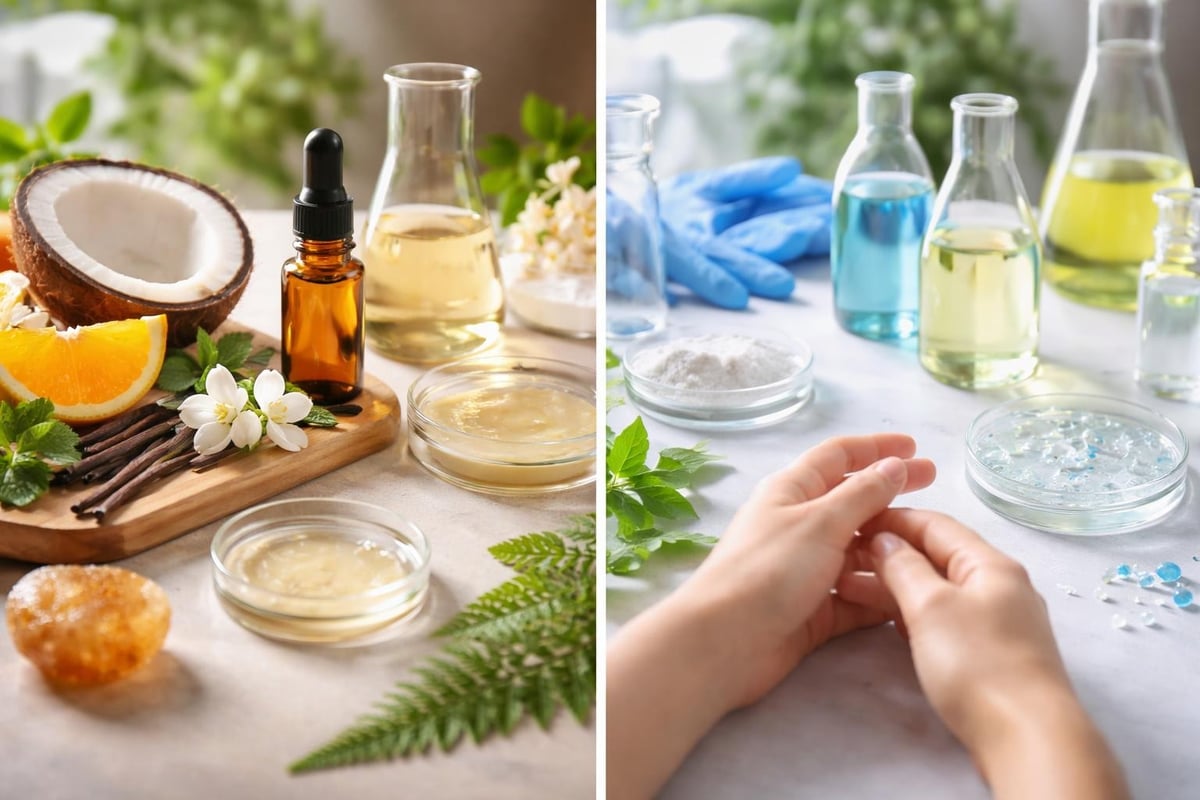
The Clean Beauty alternative for your body
Vegan and sustainable perfumes consciously forgo harmful ingredients. In developing our products, we adhere to the highest quality standards and transparency. Our facial care and fragrances follow the same principles: effectiveness without compromising health and the environment.
| Aspect | Conventional Perfume | Clean Beauty Perfume |
|---|---|---|
| Ingredients | Often synthetic, opaque | Natural, vegan, declared |
| Skin compatibility | Potentially irritating | Dermatologically tested |
| Environmental impact | High (microplastics, chemicals) | Minimal (biodegradable) |
| Animal testing | Frequent | Never |
| Long-term effect on body | Unclear to concerning | Safe and researched |
Fragrance families and their effect on perfume and body
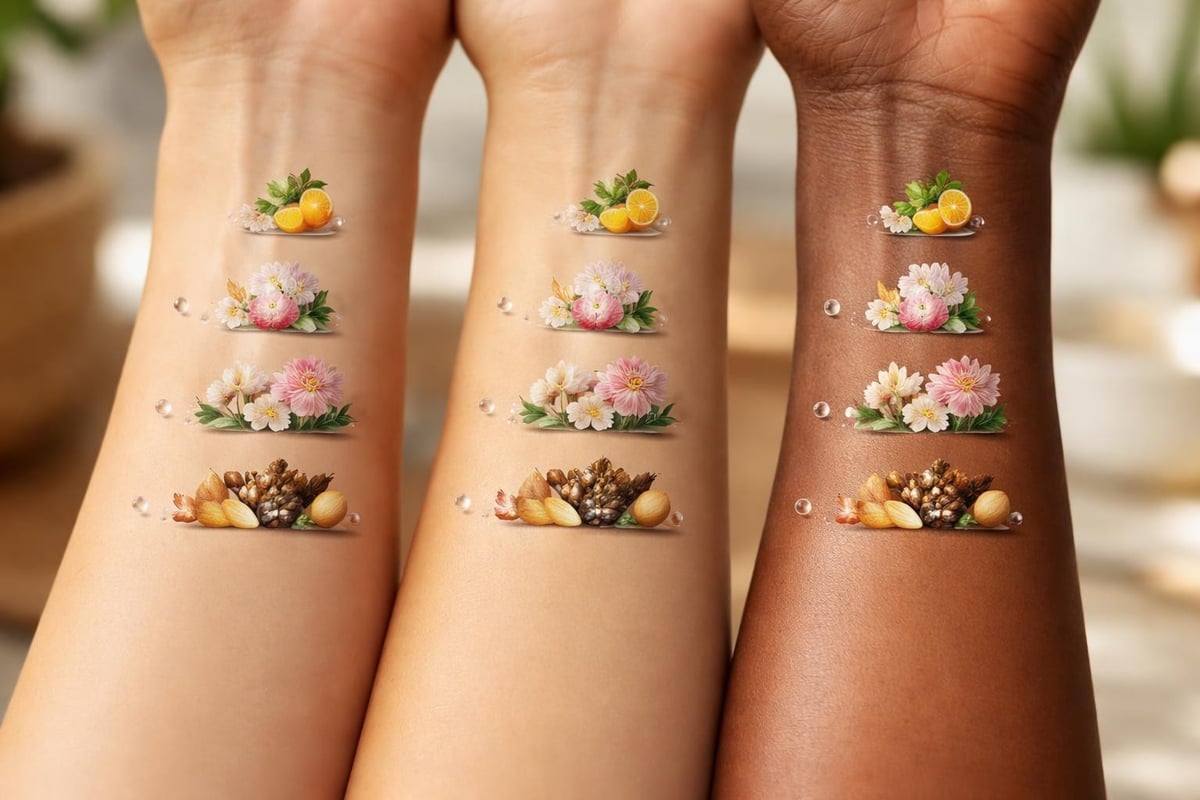
Different fragrance families develop differently on your skin. The choice of the right family depends not only on your taste but also on your skin chemistry.
Floral fragrances for every skin type
Floral compositions are among the most versatile fragrance families. They harmonize particularly well with neutral to slightly acidic skin types. Floral scents develop a soft, feminine note on warm skin that remains subtle for hours.
Oriental and spicy notes
Oriental fragrances and spicy compositions are intense and long-lasting. They are particularly suitable for people with rather oily skin, as this skin type carries the heavy base notes well. On dry skin, oriental fragrances can sometimes appear too powdery.
Fragrance families at a glance:
- Aquatic: Fresh, light, ideal for sports and summer
- Woody: Warm, earthy, perfect for cooler seasons
- Citrus: Invigorating, fleeting, requires frequent reapplication
- Gourmand: Sweet, edible, very individual depending on skin type
Unisex fragrances: The modern choice
In 2026, gender boundaries in perfumery are long outdated. Unisex fragrances are based on the idea that perfume and body harmonize regardless of gender. Individual skin chemistry is more important than traditional categories.
Care and perfume & body: The perfect combination
Your skincare routine directly influences how well fragrances last on your skin. Healthy, well-cared-for skin is the best base for any fragrance.
Proper skin preparation
Before applying perfume, your skin should be optimally prepared. Clean, well-hydrated skin binds fragrances significantly better than dry or neglected skin.
- Cleansing: Remove old fragrance residues and impurities
- Exfoliation: Once a week for smooth, receptive skin
- Moisture: Apply an unscented body lotion
- Waiting time: Let the skincare product absorb briefly
- Application: Spray the perfume on the prepared areas
Layering of fragrance products
Many brands offer complete fragrance lines: shower gel, body lotion, and perfume. This layering intensifies and extends the fragrance on your body significantly. Make sure that all products have the same scent or are neutral.
Seasonal adjustments: Perfume & body throughout the year
The seasons influence how perfume and body interact. Temperature and humidity dramatically alter fragrance development.
Summer: Light scents for warm skin
In summer, your skin heats up faster, which intensifies fragrances. Aquatic fragrances are ideal now – they are refreshing and not overpowering. Reduce the amount and apply the fragrance to cooler body areas.
Summer tips:
- Prefer Eau de Toilette over Eau de Parfum
- Spray on clothes rather than directly on heated skin
- Carry miniature bottles for on-the-go touch-ups
- Switch to citrus or green notes
Winter: Intense scents for cold days
Cold air carries fragrances less far. In winter, it can be more intense. Oriental and woody notes develop optimally now. Your skin is usually drier, so moisturize it particularly well before applying perfume.
| Season | Recommended Fragrance Family | Application Amount | Best Body Area |
|---|---|---|---|
| Spring | Floral, fresh | Medium | Wrists, neck |
| Summer | Aquatic, citrus | Little | Clothing, hair |
| Autumn | Woody, spicy | Medium-much | Nape, elbow creases |
| Winter | Oriental, gourmand | Much | All pulse points |
Sustainability: Perfume, body, and environment
In 2026, the perfume industry is under increased scrutiny regarding its environmental impact. From raw material extraction to packaging – every step counts.
Vegan fragrance products without animal cruelty
Traditionally, perfumery used animal ingredients such as musk, ambergris, or civet. Modern vegan perfumes completely forgo these and rely on plant-based or biotechnologically produced alternatives. These are not only more ethical but often also more skin-friendly.
German production and short distances
Local production significantly reduces the carbon footprint. Fragrances developed and produced in Berlin avoid long transport routes and support the local economy. Transparent supply chains also guarantee sustainable sourcing.
Sustainability criteria for perfume:
- Vegan, cruelty-free formulations
- Biodegradable ingredients
- Recyclable or reusable packaging
- Local production (Made in Germany)
- Fair working conditions throughout the supply chain
- Resource-efficient manufacturing processes
Avoiding common mistakes with perfume and body
Even fragrance lovers often unconsciously make mistakes that impair the effect of their perfume.
Mistake #1: Rubbing after application
The classic rubbing of wrists together destroys the top fragrance molecules and alters the composition. Instead, gently dab or simply let the fragrance dry.
Mistake #2: Incorrect storage
Heat, light, and humidity are the enemies of any perfume. Store your fragrances in a cool, dark, and dry place. The bathroom is the worst place to store them – a cool closet in the bedroom is better.
Mistake #3: Too much at once
Over-application leads to scent blindness and can bother other people. The rule of thumb: If you strongly perceive your own scent, it's too much.
Other avoidable mistakes:
- Applying perfume to unwashed skin
- Wearing the same perfume for years without a break (nose blindness)
- Going into the sun immediately after perfuming (pigmentation spots)
- Buying cheap imitations instead of quality products
- Ignoring allergies and intolerances
The future of perfume and body: Trends 2026
The fragrance industry is developing rapidly. Personalization, technology, and sustainability characterize current trends.
Personalized fragrances based on DNA
Some innovative companies already offer DNA-based fragrance analyses. Your genetic predisposition determines how perfume and body react in your case. These highly personalized fragrances promise perfect harmony with your individual chemistry.
Clean-Tech fragrance production
Biotechnology enables the production of identical natural fragrances without environmental impact. Microorganisms produce rose, jasmine, or sandalwood scents in the laboratory – sustainable, vegan, and of consistent quality. Learn more about our innovative approaches on our Research and Development page.
Multifunctional fragrance products
The boundaries between perfume, skincare, and wellness are blurring. Modern fragrance products nourish the skin, moisturize, and smell good at the same time. These value-added products are particularly popular with conscious consumers.
The relationship between perfume and body is a fascinating symbiosis of chemistry, art, and individuality. With the right knowledge about skin types, ingredients, and application, you'll find the fragrance that perfectly suits you and underlines your personality. If you're looking for high-quality, vegan fragrance products that harmonize with your skin while protecting the environment, SOBER BERLIN is the right place for you. Discover our sustainably produced unisex perfumes from Berlin and experience clean beauty that works – for your body and our planet.